
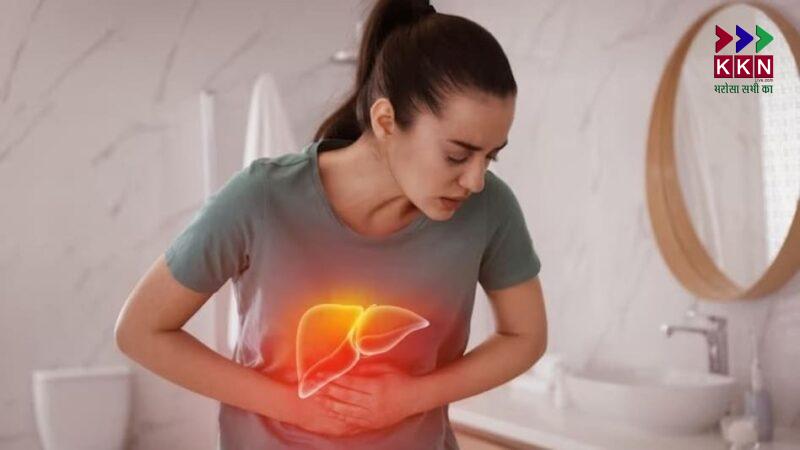
Fatty liver problems have become increasingly common in recent years. Earlier, this condition was mostly linked to alcohol consumption. However, doctors now say non-drinkers are also developing fatty liver. Poor lifestyle habits are emerging as a major cause behind this condition.
Health experts explain that fatty liver is not a disease itself. It is a warning sign that the body is under stress. Fatty liver indicates inflammation in the liver. It also means the liver is not filtering toxins properly. If ignored, the condition may lead to serious liver complications.
People with excess body weight face a higher risk. Those consuming alcohol regularly are also vulnerable. However, unhealthy diets and sedentary routines are affecting many individuals today. Health expert Shubham Vats has shared dietary guidance for fatty liver patients.
Understanding What Fatty Liver Means for the Body
Fatty liver occurs when excess fat accumulates inside liver cells. This fat buildup affects normal liver function. Over time, inflammation may increase. The liver may struggle to process toxins and nutrients.
Doctors say early detection can help reverse the condition. Dietary changes play a crucial role in recovery. Avoiding harmful foods is as important as adding healthy options. Certain food habits can worsen liver fat accumulation.
Alcohol Is the Biggest Trigger for Fatty Liver
Doctors strongly advise avoiding alcohol completely. Alcohol is the leading cause of fatty liver problems. Many people believe beer or red wine is safer. Health experts warn this belief is incorrect.
Any form of alcohol puts pressure on the liver. Regular consumption increases liver inflammation. Alcohol slows down fat metabolism in the liver. This leads to faster fat accumulation.
For fatty liver patients, alcohol avoidance is essential. Even occasional drinking can delay recovery. Doctors recommend complete abstinence for liver healing.
Flavored Yogurt and Sugary Products Harm the Liver
Flavored yogurt is often considered healthy. Doctors say this assumption can be misleading. Flavored yogurt contains high amounts of added sugar. These sugars increase liver fat levels.
Diet soda and barbecue sauce also pose risks. These products contain hidden sugars and unhealthy oils. Such ingredients are harmful for liver health. Regular intake can worsen fatty liver symptoms.
Experts advise choosing plain, unsweetened dairy options. Reading food labels carefully is also recommended.
Refined Grains Can Increase Liver Fat
Refined grains are another concern for fatty liver patients. White bread, pasta, and polished rice fall under this category. These foods are quickly digested. They cause sudden blood sugar spikes.
High blood sugar contributes to fat storage in the liver. Frequent consumption can worsen fatty liver condition. Doctors suggest limiting refined carbohydrates.
Replacing refined grains with whole grains supports liver recovery. Balanced carbohydrate intake is essential for metabolic health.
High Sugar Foods and Packaged Items Should Be Avoided
Foods high in sugar are especially harmful. High fructose corn syrup is a major offender. It is commonly found in packaged foods and beverages. Juices, sweetened drinks, and ketchup also contain excess sugar.
Sugar directly increases liver fat production. The liver converts excess sugar into fat. This process worsens fatty liver inflammation.
Doctors advise avoiding packaged snacks and sugary drinks. Fresh and natural foods are safer alternatives.
Red Meat Intake Can Worsen Fatty Liver
Red meat contains high levels of fat and iron. Excess iron can increase oxidative stress in the liver. High fat intake further contributes to liver inflammation.
Doctors caution against regular red meat consumption. Beef and pork are particularly harmful for liver health. These meats are difficult to digest.
Reducing red meat intake helps lower liver fat levels. Lean protein sources are considered safer options.
Salty and Fried Foods Damage Liver Health
Fried foods are high in unhealthy fats. These fats increase inflammation in the liver. Excessive oil intake slows liver recovery.
High sodium foods also pose risks. Too much salt causes fluid imbalance. It can worsen liver-related complications.
Doctors advise avoiding fried snacks and fast food. Processed foods with high sodium should also be limited.
Lifestyle Habits Linked to Fatty Liver Growth
Health experts link fatty liver to modern lifestyle patterns. Lack of physical activity increases fat storage. Long sitting hours worsen metabolic health.
Irregular eating habits also affect liver function. Late-night meals strain digestion. Combined with poor sleep, liver stress increases.
Doctors recommend active routines and balanced diets. Small lifestyle changes can improve liver health significantly.
Foods That Support Liver Recovery
Doctors suggest certain foods for fatty liver management. Berries are rich in antioxidants. They help reduce liver inflammation.
Avocado provides healthy fats. These fats support liver cell repair. Walnuts are also beneficial due to omega fatty acids.
Oats help regulate blood sugar levels. Stable sugar levels reduce liver fat formation. Leafy vegetables like cabbage and broccoli support detoxification.
Green tea contains antioxidants that protect liver cells. Coffee is also linked with improved liver enzyme levels. Garlic supports fat breakdown in the liver.
Tofu is a good plant-based protein option. It helps reduce fat accumulation. Including these foods can help control fatty liver.
Fatty Liver Can Be Controlled With Timely Action
Doctors emphasize that fatty liver is reversible in many cases. Early dietary correction can show positive results. Avoiding harmful foods is crucial.
Healthy eating combined with physical activity improves liver function. Regular medical monitoring is also advised. Ignoring early signs may lead to serious liver disease.
Fatty liver should be taken seriously. It reflects deeper metabolic issues. With discipline and awareness, liver health can be restored.