According to the Hindu calendar, Mahashivratri is observed on Krishna Chaturdashi of Phalgun month. In 2026, the Chaturdashi Tithi will begin on the evening of February 15. The Tithi will continue until February 16, 2026. Since Mahashivratri rituals are performed at night, the festival will be observed on February 15, 2026.
Devotees will observe fasting and perform special night worship on February 15. Mahashivratri is dedicated to Lord Shiva and holds great religious importance. On this night, devotees perform special abhishek and remain awake in devotion. Many traditions consider Nishith Kaal, around midnight, the most auspicious time for worship.
Importance of Night Worship on Mahashivratri
Mahashivratri worship is traditionally performed during nighttime hours. Religious beliefs emphasize night-long vigil and prayers. Devotees believe that worship during Nishith Kaal brings special blessings. The midnight period is considered spiritually powerful.
On this occasion, temples remain open throughout the night. Special rituals and chanting of Shiva mantras continue until morning. Devotees offer water, milk, and sacred items to the Shivling.
Why Mahashivratri Is Celebrated
Mahashivratri is celebrated for several religious and spiritual reasons. Different scriptures and traditions explain its importance. Each belief highlights Lord Shiva’s divine role in creation and transformation.
Belief of the Appearance of Shivling
Religious texts mention a significant event on Phalgun Krishna Chaturdashi night. It is believed that Lord Shiva appeared as a radiant Shivling. According to belief, the light of the Shivling was extremely powerful. It was compared to the brightness of countless suns.
This divine appearance made the night sacred. Therefore, worship on Mahashivratri is considered highly beneficial. Devotees believe sincere prayers bring peace and fulfillment.
Special Alignment of Sun and Moon
Astrological beliefs also explain the importance of Mahashivratri. On this day, the Moon comes very close to the Sun. This alignment symbolizes the union of energy and consciousness. The Sun remains in Uttarayan during this period.
Seasonal changes also occur around this time. This makes the period spiritually significant. Many consider this time ideal for meditation and inner awakening.
Transition from Formless to Form
Another belief is linked to the origin of creation. It is said that Lord Shiva took a physical form on this night. He manifested from a formless state into a visible form. This manifestation brought balance to the universe.
According to tradition, the Rudra form of Shiva appeared on this night. This event symbolizes control over chaos and cosmic order.
Story of Destruction and Tandava
Some beliefs associate Mahashivratri with cosmic destruction. It is believed that Lord Shiva performs Tandava during Pralay. His third eye releases divine fire during destruction.
Due to this belief, the night is considered extremely powerful. In some regions, Mahashivratri is also known as Jalratri. Devotees stay awake and perform continuous worship.
Belief of Shiva and Parvati Marriage
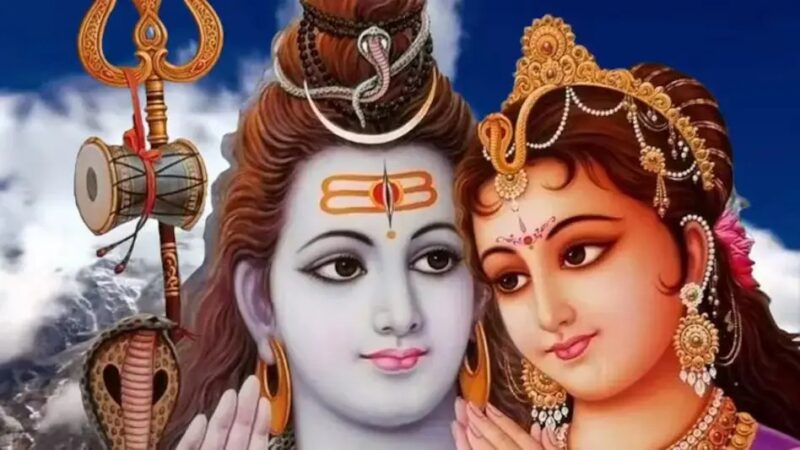
Another popular belief connects Mahashivratri with divine marriage. It is believed that Lord Shiva married Goddess Parvati on this day. This belief is widely followed across many regions.
In several places, Shiva Barat processions are organized at night. Devotees observe fasting and night worship. The fast is usually concluded the next morning with rituals.
Simple Mahashivratri Puja Method for Devotees
On Mahashivratri morning, devotees wake up early and take a bath. Wearing clean clothes is considered important. White or yellow clothes are preferred by many devotees. The prayer area or home temple should be cleaned properly.
Devotees sprinkle holy water before beginning worship. A vow for fasting and worship is taken mentally. The Shivling is placed at a clean location for rituals.
The Shivling is first bathed with clean water or Ganga water. After that, raw milk is offered. If possible, curd, ghee, or honey is also used. The Shivling is then washed again with clean water.
Chandan or sacred ash is applied on the Shivling. Rice grains are offered during worship. Devotees offer three or eleven Bel leaves while chanting Om Namah Shivaya. The smooth side of the Bel leaf should face the Shivling.
White flowers or Dhatura are offered during worship. A lamp is lit and incense sticks are used. Fruits or sweets are offered as prasad. Devotees chant Om Namah Shivaya at least 108 times. Finally, Shiva Aarti is performed with devotion.
Devotees also seek forgiveness for any mistakes during worship. It is believed that proper abhishek pleases Lord Shiva quickly.
Method of Shivling Abhishek
Abhishek begins with clean water for purification. Offering milk is considered auspicious. Honey abhishek is believed to remove obstacles. Water abhishek helps remove negativity and calms the mind.
Offering ghee is associated with mental peace and child happiness. Black sesame abhishek protects from negative forces. Curd abhishek is believed to bring prosperity. Yellow mustard abhishek is linked with strengthening fortune.
What to Eat During Mahashivratri Fast
During fasting, devotees consume light and sattvic food. Fruits, milk, curd, and sweets are commonly eaten. Coconut water is also preferred. Sabudana khichdi is widely consumed.
Singhara halwa, sama rice, and kuttu flour preparations are allowed. These foods help maintain energy during fasting.
Food Restrictions During the Fast
Devotees avoid onion and garlic on this day. Consumption of meat and alcohol is strictly prohibited. Regular grains and salt are also avoided during fasting.
Mahashivratri fasting is observed with discipline and devotion. Devotees believe it brings spiritual growth and divine blessings.
Spiritual Significance of Mahashivratri 2026
Mahashivratri 2026 holds deep spiritual meaning for devotees. The festival emphasizes self-control, devotion, and inner purification. Observing the fast and night worship is believed to bring peace and clarity.
With the Chaturdashi falling on February 15 night, devotees will observe rituals accordingly. Temples across the country are expected to witness large gatherings.