

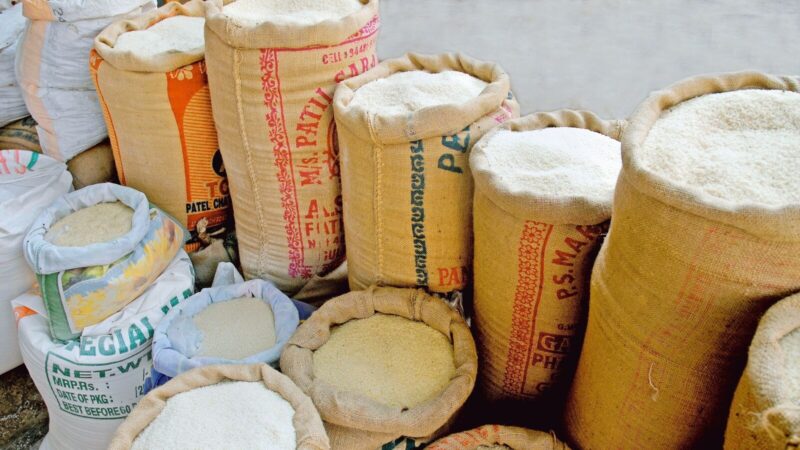
India’s Public Distribution System (PDS) is undergoing a significant transformation with the introduction of the Ration Card New Rules 2025. These new regulations are designed to modernize, streamline, and make the distribution system more transparent and fair for every eligible household. The government has also announced a new financial support mechanism, a ₹1,000 monthly cash transfer to qualifying families. By incorporating technology such as Aadhaar verification and biometric authentication, the government aims to ensure that welfare benefits reach the intended recipients without any delays or corruption.
The Need for Reform in India’s Ration System
For decades, ration cards have played a critical role in providing subsidized food grains to millions of people across India. However, the existing system has faced several challenges such as the prevalence of fake ration cards, duplicate beneficiaries, leakage of food grains, and slow verification processes. Many households have struggled with outdated paperwork and manual verification systems that caused delays and errors. The Ration Card New Rules 2025 seek to address these issues by introducing advanced digital solutions, better verification methods, and direct financial support to make the system more efficient, transparent, and reliable.
Introduction of Digital Ration Cards
One of the key changes under the 2025 Ration Card reforms is the shift from traditional paper-based ration cards to Digital Ration Cards. This digital version will allow individuals to easily access, update, or download their ration details online. This transition will reduce the need for physical visits to government offices, thus eliminating delays caused by paperwork. The shift to digital cards will also decrease the potential for fraud, as all data will be stored and verified through secure online systems.
For migrant workers, this reform is particularly beneficial. In the past, individuals who moved from one state to another often faced significant hurdles in obtaining their ration benefits. However, with the introduction of Digital Ration Cards, migrant workers can now access food grains from any Fair Price Shop (FPS) across the country without needing to reapply. This enhancement makes the system portable, flexible, and accommodating to mobile workers and families.
Mandatory Aadhaar Linking for Better Accuracy
Another important reform under the new Ration Card rules is the compulsory linking of Aadhaar numbers with ration cards. Aadhaar linking ensures that each household is accurately identified and helps prevent duplicate or fraudulent entries in the system. This change is part of the government’s efforts to maintain an accurate, nationwide database of beneficiaries under the National Food Security Act (NFSA).
The government has already begun notifying families to complete the Aadhaar linking process within a specified timeline. Once linked, the system will verify each beneficiary’s identity, ensuring that only legitimate families receive subsidized food grains. This not only improves the accuracy of the system but also enhances transparency, ensuring that no individual receives benefits they are not entitled to.
Biometric Verification at Fair Price Shops
To further secure the distribution of food grains, the new rules also introduce biometric verification at Fair Price Shops. Beneficiaries will now be required to authenticate their identity through biometric methods such as fingerprints or iris scans before they can collect their ration. This biometric verification ensures that only the rightful person receives the food grains, thus preventing impersonation and misuse of the system.
Biometric authentication also improves accountability at every transaction point. Each distribution is recorded digitally, allowing authorities to monitor the supply chain in real-time and swiftly identify any discrepancies. Beneficiaries will also receive SMS alerts after every transaction, notifying them of the quantity of food grains they have received. This level of transparency significantly reduces the chances of corruption and fosters greater trust in the system.
₹1,000 Monthly Cash Transfer: Financial Support for Families
A standout feature of the Ration Card New Rules 2025 is the introduction of a ₹1,000 monthly cash transfer for eligible households. This Direct Benefit Transfer (DBT) will be credited directly to the bank account linked with the beneficiary’s Aadhaar number. The objective is to provide additional financial assistance to low-income families who depend on the PDS for their daily food needs.
Unlike traditional subsidies that only cover food grains, this new cash benefit enables families to purchase other essential goods such as vegetables, milk, pulses, and cooking oil. These items are not always included in the ration distribution but are necessary for daily living. By offering this cash transfer, the government is giving families more flexibility and freedom to manage their household expenses. Moreover, the direct transfer method eliminates the need for intermediaries, ensuring that the money reaches the rightful beneficiaries without delays.
The Importance of These Reforms
The reforms under the Ration Card New Rules 2025 aim to create a welfare system that is transparent, efficient, and aligned with modern technological practices. The shift to Digital Ration Cards eliminates paperwork and makes information easily accessible. The mandatory Aadhaar linking ensures the accuracy of the data and removes the possibility of duplicate entries. The introduction of biometric verification adds another layer of security, preventing fraud and ensuring that food grains reach only the rightful recipients. Lastly, the ₹1,000 monthly cash transfer helps families cover essential expenses beyond food grains, giving them more control over their daily needs.
These changes are poised to benefit millions of low-income and vulnerable households across India. By ensuring that welfare support reaches people in a timely and accurate manner, the government aims to strengthen food security and financial stability for the citizens. The reforms will streamline the entire process, making the PDS system faster, cleaner, and more reliable.
The Ration Card New Rules 2025 mark a significant step toward improving India’s welfare delivery system. With the introduction of digital services, Aadhaar-based verification, biometric authentication, and financial assistance, the system has become more inclusive, transparent, and dependable. The ₹1,000 monthly cash transfer will empower families to meet not only their food needs but also other essential household expenses. These reforms will help millions of households manage their daily lives with greater confidence and dignity. As India moves forward with these changes, the government’s commitment to improving food security and financial well-being for its citizens becomes more evident.