
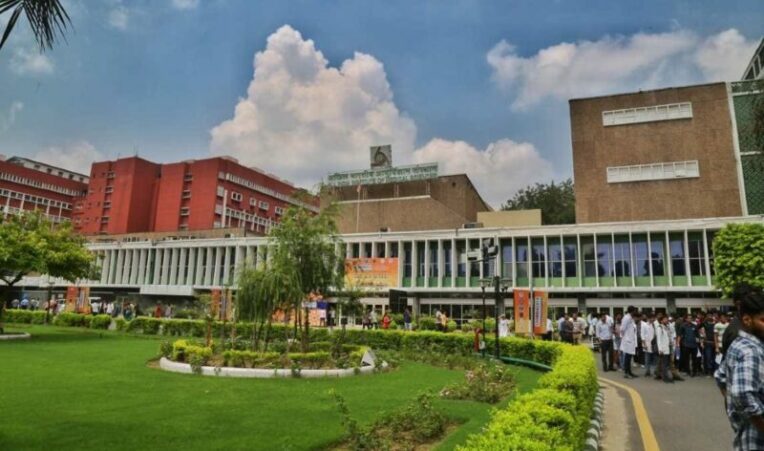
Patients visiting AIIMS Delhi will no longer face night-time hardship outside the hospital premises. The hospital administration has launched a dedicated shelter facility for patients and their attendants. The initiative has been started with the support of the Central Reserve Police Force. The shelter provides free food, clean blankets, and hygienic toilet facilities. This step aims to ensure safe and dignified accommodation for those arriving late at night.
Facility Introduced After Public Concern
The shelter facility was introduced after videos surfaced on social media. The videos showed patients and attendants standing outside AIIMS Delhi in extreme cold. Many were seen waiting overnight for outpatient services. The visuals triggered public concern and administrative attention. Soon after, the hospital took action to address the issue.
Statement From AIIMS Delhi Director
The Director of AIIMS Delhi, Dr. M. Srinivas, shared details of the initiative. He said the shelter was created to reduce crowding and long night queues. He explained that patients should not wait on pavements or open areas. The administration wanted to ensure safety and comfort for everyone.
Shelter Designed for Safety and Dignity
The main objective of the shelter is to offer a secure and respectful stay. Many patients travel long distances for treatment. Several arrive late due to train or bus schedules. Earlier, they had no option except waiting outside the hospital. The shelter now provides a structured alternative. It protects patients from harsh weather and unsafe surroundings.
Support From CRPF Strengthens Arrangement
The initiative has been implemented in coordination with the Central Reserve Police Force. CRPF personnel are assisting in managing the shelter operations. Their presence ensures discipline and smooth functioning. The collaboration has helped create an organized system for patient care during night hours.
Identification of Night-Time Patients
Hospital officials have introduced a screening process for night arrivals. Patients arriving late are identified by staff members. Only those scheduled for outpatient services are selected. This ensures genuine beneficiaries receive shelter access. The process avoids overcrowding and misuse of facilities.
Shuttle Service for Easy Movement
After identification, patients and attendants are transported to the shelter. Electric shuttle buses are used for this purpose. The service operates within the hospital campus. It ensures safe and quick movement, especially for elderly patients. The use of electric vehicles also supports environmental goals.
Token System Brings Order to Registration
At the shelter, patients receive token numbers based on reporting order. These tokens decide the sequence of outpatient registration. This system removes uncertainty and anxiety. Patients no longer need to rush early morning for queues. The process ensures fairness and transparency.
Smooth Morning Transfer to OPD
The next morning, patients are transported back to their respective OPD blocks. Electric vehicles are again used for this purpose. Patients reach the registration counters according to token order. This reduces congestion in OPD areas. Hospital staff can manage crowds more efficiently.
Capacity of the Shelter Facility
The shelter facility has a capacity of around 250 people. It includes separate resting areas for patients and attendants. Clean bedding and blankets are provided. Adequate lighting and ventilation have been ensured. Sanitation facilities are maintained regularly.
Free Food and Basic Amenities Provided
One of the key features of the shelter is free food. Patients and attendants are provided meals during their stay. Drinking water is also available. Clean toilets are maintained throughout the night. These facilities ensure comfort without additional expense.
Relief for Patients From Distant Regions
AIIMS Delhi receives patients from across the country. Many belong to economically weaker sections. Accommodation in the city is often expensive. The shelter offers much-needed relief. It reduces financial burden on families seeking treatment.
Impact on Crowd Management
Hospital authorities report improved crowd management after the initiative. OPD registration areas have become more organized. Early morning chaos has reduced significantly. Security personnel can now focus on patient assistance rather than crowd control. This has improved overall hospital efficiency.
Viral Video Led to Quick Action
Officials acknowledged the role of social media in highlighting the issue. The viral video showed patients shivering in cold conditions. The administration took immediate notice. The response reflects sensitivity to public feedback. It also highlights accountability in healthcare institutions.
Future Expansion Under Consideration
Authorities have indicated plans for future expansion. The shelter capacity may increase if space allows. Demand will be assessed regularly. More facilities may be added during peak seasons. The goal is to serve a larger number of patients.
Focus on Patient-Centric Healthcare
The initiative reflects a shift toward patient-centric care. Beyond medical treatment, comfort and dignity are being prioritized. Hospital leadership believes healthcare extends beyond consultation rooms. Support systems are equally important for recovery and trust.
Positive Response From Patients
Initial feedback from patients has been encouraging. Many expressed relief after using the shelter. Attendants felt safer staying inside the campus. The organized process reduced stress and uncertainty. Patients appreciated the respectful treatment.
Administrative Coordination Key to Success
The success of the shelter depends on coordination. Hospital staff, security teams, and CRPF personnel work together. Clear communication ensures smooth operations. Continuous monitoring helps address issues quickly. This teamwork has strengthened service delivery.
Setting an Example for Other Hospitals
The AIIMS Delhi shelter initiative may inspire similar steps elsewhere. Large government hospitals face similar challenges. Structured night shelters could become standard practice. Such measures improve public healthcare experience nationwide.
Addressing Urban Healthcare Challenges
Urban hospitals often struggle with overcrowding. Limited infrastructure adds to patient discomfort. Innovative solutions like shelters offer practical relief. They address immediate needs without major construction. This approach balances efficiency and compassion.
The shelter facility at AIIMS Delhi marks a significant improvement in patient care. It addresses long-standing issues faced by patients and attendants. With free amenities and organized systems, night-time hardship has reduced. The initiative demonstrates responsive governance and institutional responsibility.