
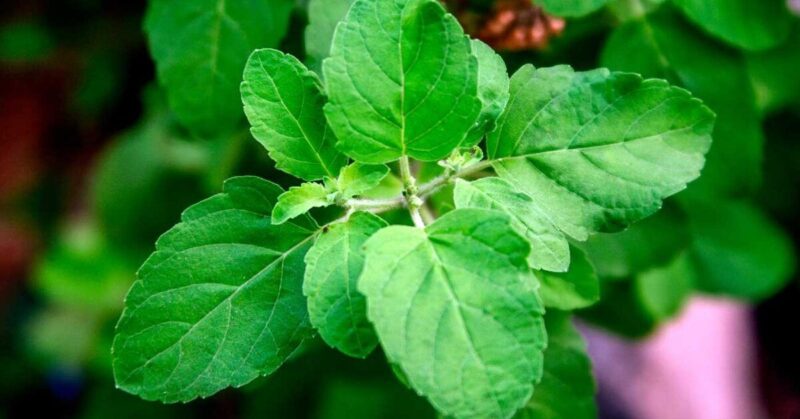
Tulsi, often regarded as a sacred plant in Indian culture, is celebrated for its numerous health benefits. This powerful herb, also known as Holy Basil, holds an important place in Ayurvedic medicine due to its natural healing properties. Tulsi is rich in antioxidants, anti-inflammatory, antibacterial, and immune-boosting properties, making it beneficial for various ailments. From relieving cold and cough to improving digestion and reducing stress, the advantages of consuming tulsi are widely known. However, despite its many health benefits, there are specific health conditions where consuming tulsi might not be safe. For certain individuals, tulsi leaves can cause harm rather than benefit. It is crucial to exercise caution and consult a healthcare provider before incorporating tulsi into your daily routine, especially if you have specific health concerns.
Tulsi: A Gift of Nature with Some Health Precautions
Tulsi has long been a symbol of purity and health in Indian culture. Its medicinal uses are deeply embedded in Ayurveda, where it is considered a remedy for various conditions. The herb is especially known for its healing qualities that help with respiratory issues, digestive problems, and stress relief. However, it is essential to note that tulsi may not be suitable for everyone, particularly those with certain medical conditions. In some cases, tulsi can have adverse effects on the body, and it may not always be a beneficial herbal remedy.
Before adding tulsi to your diet, it’s advisable to seek professional advice, especially if you are dealing with any of the conditions mentioned below.
Health Risks of Consuming Tulsi in Specific Conditions:
Low Blood Sugar Levels:
Tulsi has the potential to lower blood sugar levels. For individuals already suffering from low blood sugar, consuming tulsi may exacerbate the condition. This can lead to hypoglycemia, where the sugar levels drop dangerously low. Diabetic patients who take medication to control blood sugar must be cautious when consuming tulsi, as its interaction with medication can lead to excessively low blood sugar levels. Always consult a doctor before incorporating tulsi into your diet if you are on medication for diabetes.Pregnancy:
Pregnant women should avoid excessive consumption of tulsi, as it can stimulate the uterus. Some studies suggest that regular consumption of tulsi may have hormonal effects and could potentially lead to complications in pregnancy. The risk of premature contractions or hormonal imbalance can be a concern. Therefore, it is best to avoid tulsi unless prescribed by a healthcare provider.Before Surgery:
If you are scheduled for surgery, it is recommended to stop consuming tulsi at least two weeks before the procedure. Tulsi can influence blood clotting, which may increase the risk of bleeding during surgery. Due to its effect on blood thinning, tulsi could interfere with the body’s ability to form blood clots, leading to excessive bleeding during or after the operation. To avoid such complications, it’s advisable to discontinue tulsi intake and discuss its use with your surgeon beforehand.Blood Thinner Medication Users:
People taking blood-thinning medications should be particularly cautious when consuming tulsi. The herb can enhance the effects of these medications, increasing the risk of excessive bleeding. If you are on blood thinners like warfarin or aspirin, tulsi might interfere with the medication’s effectiveness and cause unintended consequences. Always consult with your healthcare provider before using tulsi in such cases.Allergy-Prone Individuals:
Some people may have allergic reactions to tulsi. Common symptoms of a tulsi allergy include skin rashes, itching, swelling, or difficulty breathing. If you notice any allergic reactions after consuming tulsi, it is crucial to stop using it immediately and consult a doctor. Those with known allergies to basil or other herbs should avoid tulsi altogether.Hormonal Imbalance or Thyroid Issues:
Tulsi has the potential to affect hormone levels, which can be problematic for individuals with hormonal imbalances or thyroid disorders. For women with conditions like polycystic ovary syndrome (PCOS), or individuals with thyroid issues, consuming tulsi without medical supervision may cause hormonal disturbances. If you are managing any hormonal imbalance or thyroid-related health concerns, it’s crucial to approach tulsi consumption with caution and discuss it with your healthcare provider.
While tulsi is an incredibly beneficial herb with numerous health advantages, it is not a one-size-fits-all solution. Its powerful medicinal properties make it effective for treating various ailments, but it’s essential to understand that it can also have harmful effects for certain individuals, especially those with specific medical conditions. If you are considering adding tulsi to your routine, it is advisable to consult with a healthcare professional, particularly if you are pregnant, taking medications, or suffering from conditions like low blood sugar, hormonal imbalance, or thyroid disorders. By doing so, you can enjoy the many benefits of tulsi while minimizing the potential risks to your health.
As with any herbal remedy, it’s important to listen to your body and seek professional advice when needed. The goal is to achieve optimal health, and with proper guidance, tulsi can be a valuable addition to your wellness routine, enhancing your immunity, digestion, and overall well-being. However, its use must be carefully managed in certain health situations to ensure safety and effectiveness.