
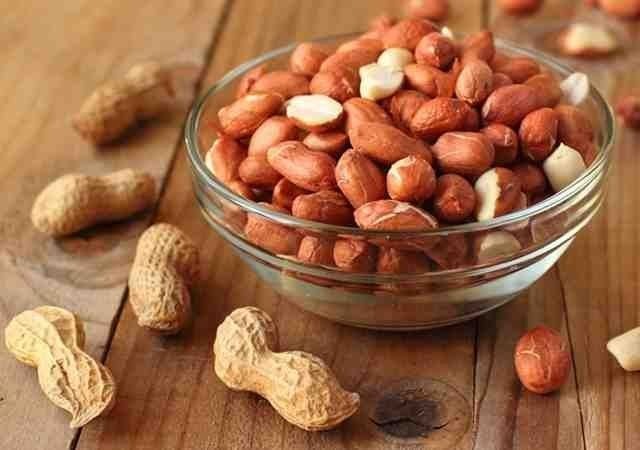
Peanuts are among the most popular winter snacks in India. During the cold season, roasted peanuts are enjoyed across households for their taste and warmth. Beyond being a simple snack, peanuts are also considered a rich source of essential nutrients. Health experts often describe peanuts as a complete food because they provide energy, nourishment, and multiple health benefits when eaten in limited quantities.
Commonly known as the poor man’s almond, peanuts are affordable and widely available. They contain protein, fiber, healthy fats, vitamins, and minerals. Regular consumption in moderation can support heart health, weight management, and overall body strength. Here is a detailed look at how peanuts benefit health during winter and throughout the year.
Peanuts as a Winter Favorite Snack
In winter, the demand for peanuts increases significantly. The high calorie and fat content helps the body generate heat. Eating peanuts during cold weather provides natural warmth and sustained energy. This is why peanuts are often sold roasted at roadside stalls during winter evenings.
Peanuts also provide comfort food satisfaction. Their crunchy texture and nutty flavor make them a preferred snack option. Unlike many processed snacks, peanuts offer nutrition along with taste. This makes them a healthier alternative for winter snacking.
Rich in Protein and Dietary Fiber
Peanuts are a good source of plant-based protein. Protein plays an important role in building and repairing body tissues. It also helps maintain muscle strength and supports daily physical activity. For people following vegetarian diets, peanuts offer an easy protein source.
Dietary fiber present in peanuts improves digestion. Fiber helps regulate bowel movement and supports gut health. It also keeps the stomach full for a longer time. This reduces unnecessary hunger and frequent snacking between meals.
Helps in Weight Management
Despite being calorie-dense, peanuts can support weight management. The healthy fats in peanuts promote satiety and control appetite. People who consume peanuts regularly in small portions often feel full for longer periods.
Fiber and protein together slow digestion. This helps regulate calorie intake throughout the day. Studies suggest that people who include peanuts in their diet have a lower risk of obesity. Moderation remains essential to avoid excess calorie consumption.
Supports Heart Health
Peanuts are known to support heart health when eaten regularly in limited amounts. They contain monounsaturated and polyunsaturated fats, which are considered heart-friendly. These fats help maintain healthy cholesterol levels.
Peanuts also contain antioxidants that reduce oxidative stress. This helps protect blood vessels from damage. Regular intake may reduce bad cholesterol levels and support overall cardiovascular health.
Provides Warmth and Boosts Energy Levels
Peanuts are rich in healthy fats and calories. These nutrients help generate body heat during cold weather. This makes peanuts an ideal winter snack for maintaining warmth.
They also provide instant energy. Eating peanuts helps fight tiredness and fatigue. This is especially beneficial for people with physically demanding routines or long working hours.
Good Source of Antioxidants
Peanuts contain antioxidants such as resveratrol. Antioxidants protect the body from harmful free radicals. They help slow the aging process and reduce cell damage.
These compounds also support skin health. Antioxidants help maintain skin elasticity and protect against environmental damage. This contributes to healthier skin and hair over time.
Supports Muscle Strength and Recovery
Protein content in peanuts supports muscle development. It helps repair muscle tissues after physical activity. This makes peanuts useful for people who exercise regularly.
Peanuts also contain essential amino acids. These amino acids support muscle maintenance and endurance. Regular intake can help improve strength and physical performance.
Beneficial for People with Diabetes
Peanuts have a low glycemic index. This means they do not cause a rapid rise in blood sugar levels. Because of this, peanuts are considered safe for people with diabetes when eaten in moderation.
The fiber and healthy fats slow glucose absorption. This helps maintain stable blood sugar levels. Health experts often recommend peanuts as part of a balanced diabetic diet.
Supports Brain and Nervous System Health
Peanuts contain B-complex vitamins that support brain function. These vitamins help improve concentration and mental alertness. Regular intake may support cognitive health.
Healthy fats present in peanuts also support nerve function. They help maintain the nervous system and reduce mental fatigue. This makes peanuts beneficial for both physical and mental performance.
Strengthens Bones and Immunity
Peanuts provide minerals such as magnesium and phosphorus. These minerals support bone strength and skeletal health. Strong bones are essential for mobility and long-term health.
Peanuts also support the immune system. They contain nutrients that help the body fight infections. This is especially important during winter when immunity often weakens.
Improves Skin and Hair Health
The nutrients present in peanuts contribute to healthy skin and hair. Antioxidants protect skin cells from damage. This helps maintain natural glow and reduces signs of premature aging.
Protein and healthy fats nourish hair roots. They help reduce dryness and hair breakage. Regular consumption supports overall skin and hair health from within.
How Much Peanuts Should Be Eaten Daily
Health experts advise moderation while eating peanuts. A small handful per day is generally considered sufficient. Overeating peanuts can lead to excess calorie intake.
Roasted or boiled peanuts are healthier options. It is better to avoid heavily salted or sugar-coated peanuts. Natural forms offer maximum nutritional benefits.
Best Ways to Include Peanuts in Daily Diet
Peanuts can be consumed in various forms. Roasted peanuts are the most common choice. They can also be added to salads and traditional dishes.
Peanut butter is another popular option. Choosing unsweetened and natural peanut butter is important. This ensures better nutrition without added sugar or unhealthy fats.
Precautions While Consuming Peanuts
People with nut allergies should avoid peanuts completely. Anyone unsure about allergies should consult a doctor before consumption. Excessive intake may cause digestive discomfort.
Always choose fresh and properly stored peanuts. Avoid peanuts with mold or bad odor. Good quality peanuts ensure safety and maximum health benefits.
Peanuts are much more than a winter snack. They are a rich source of nutrition and energy. Regular consumption in limited quantities supports heart health, weight control, and immunity.
Affordable and easily available, peanuts fit well into daily diets. When eaten wisely, they provide long-term health benefits. Including peanuts in your routine can support overall well-being throughout the year.
Share this:
- Click to share on WhatsApp (Opens in new window) WhatsApp
- Click to share on Facebook (Opens in new window) Facebook
- Click to share on Threads (Opens in new window) Threads
- Click to share on Reddit (Opens in new window) Reddit
- Click to share on Telegram (Opens in new window) Telegram
- Click to share on X (Opens in new window) X
- Click to share on LinkedIn (Opens in new window) LinkedIn