

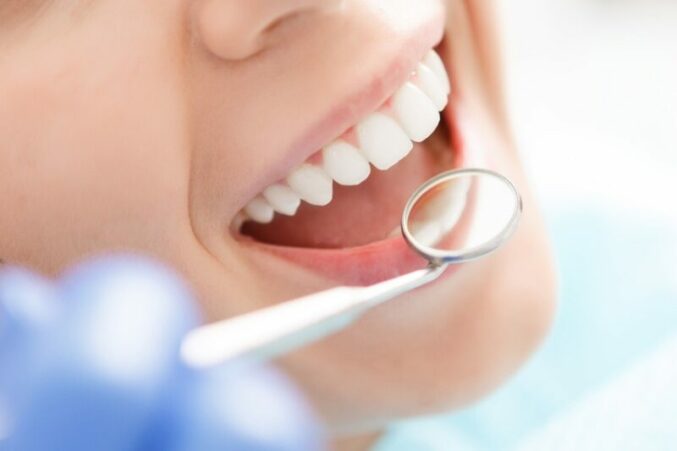
Maintaining healthy teeth is as important as maintaining overall health. Issues like tooth decay, yellowing, bad breath, and bleeding gums are signs of poor oral health. Nowadays, dentists recommend brushing twice a day, but many people still brush only once. Brushing not only helps clean the teeth but also prevents other gum problems. Good oral health leads to better digestion and eliminates bad breath. However, many people make a mistake after brushing, which can lead to cavities, according to dentist Mark Bentley.
What Causes Cavities?
Whenever we eat, tiny food particles can get stuck in the corners and between the teeth. If these particles are not removed in time, they start causing decay. Bacteria settle in these areas, which gradually begin to eat away at the teeth, causing cavities and blackening. To avoid this, it is recommended to brush twice a day, floss once, and clean the tongue regularly.
Common Mistakes in Oral Hygiene
According to dentists, most people brush their teeth but forget to floss. Flossing helps remove decay trapped between the teeth, preventing cavities and yellowing. Many people also do not know the correct method of flossing, which can reduce its effectiveness.
Correct Way to Floss
The correct way to floss is to take the floss and gently slide it between the teeth. Move it in a C-shape around each tooth to clean the spaces. Be gentle to avoid injuring the gums. Repeat this process for the teeth on both the front and back. Flossing helps remove food particles stuck between the teeth, preventing decay and keeping the teeth clean. It also helps avoid yellowing and bad breath, and it keeps the gums healthy. Make sure to floss at least once a day.
Key Dental Care Tips
-
Start by brushing your teeth thoroughly with a soft-bristled toothbrush. Rotate the brush around the front and back of your teeth.
-
After brushing, rinse your mouth and then floss for at least one minute.
-
Clean your tongue thoroughly after flossing. You can rinse again or use a mouth cleaner if desired.
-
Schedule a dental check-up at least once every six months. Sometimes, tooth decay occurs without any visible symptoms, making regular check-ups crucial.
Why Regular Dental Care is Crucial
Proper dental hygiene not only helps maintain a clean mouth but also prevents issues like cavities, bad breath, and gum disease. Regular brushing, flossing, and tongue cleaning form the foundation of good oral health. It’s important to use a soft-bristled toothbrush, as a hard brush can damage your gums. Additionally, cleaning the tongue is an essential part of oral hygiene because it removes bacteria and food particles that can contribute to bad breath.
Importance of Professional Dental Check-ups
Regular dental check-ups are essential, as they can help detect early signs of tooth decay, gum disease, or other oral health issues that may not be visible to the naked eye. Dentists use advanced tools to thoroughly clean teeth, removing plaque and tartar buildup that cannot be addressed by regular brushing alone. These visits also allow the dentist to assess the condition of your gums, which is vital for preventing gum diseases that can lead to tooth loss if left untreated.
To achieve optimal oral health, it’s essential to adopt a comprehensive oral care routine that includes brushing, flossing, tongue cleaning, and regular dental check-ups. These simple habits can help you avoid common dental problems like cavities, bad breath, and gum disease. By following these dental care tips and avoiding common mistakes, you can keep your teeth healthy and enjoy a fresh, clean mouth.
Share this:
- Click to share on WhatsApp (Opens in new window) WhatsApp
- Click to share on Facebook (Opens in new window) Facebook
- Click to share on Threads (Opens in new window) Threads
- Click to share on Reddit (Opens in new window) Reddit
- Click to share on Telegram (Opens in new window) Telegram
- Click to share on X (Opens in new window) X
- Click to share on LinkedIn (Opens in new window) LinkedIn