
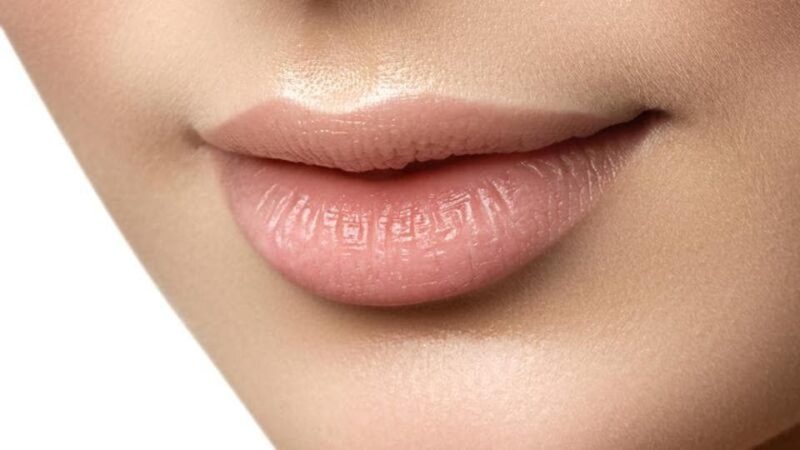
Chapped lips become common during winter months. Most people blame cold air or low water intake. Many also rely only on lip balm. However, nutritionist Shweta Shah and Ayurvedic principles suggest a deeper cause. According to them, cracked lips may reflect internal imbalance. It may indicate increased Vata dosha and weak digestion. This means the issue may start inside the body.
Winter dryness affects the skin surface. But Ayurveda views lips as health indicators. When internal lubrication reduces, lips show early signs. Repeated dryness may signal digestive stress. Ignoring this sign may delay proper healing.
Ayurveda Sees Lips as the Body’s Moisture Indicator
Ayurveda considers lips a moisture alarm of the body. When internal hydration drops, lips respond first. This happens even before skin dryness appears elsewhere. During winter, Vata dosha naturally increases. Cold weather, irregular meals, and stress worsen this imbalance. As a result, dryness increases from within.
Applying lip balm helps temporarily. It does not correct the root issue. Ayurveda focuses on restoring balance internally. Proper digestion and nourishment support natural moisture levels. Without this, external care remains incomplete.
The Digestive System Plays a Key Role
Ayurvedic texts link lips with the colon. The colon belongs to the Vata zone. When digestion weakens, gas and constipation may follow. These issues often reflect through cracked lips. Lips may split, peel, or feel persistently dry.
Many people drink enough water yet suffer dryness. According to Shweta Shah, absorption matters more than intake. Weak digestion affects Rasa dhatu. This vital element distributes moisture and nutrients. When Rasa dhatu functions poorly, hydration fails to reach tissues. Lips then lose softness despite hydration efforts.
Why Winter Makes the Problem Worse
Winter habits often increase dryness unknowingly. Cold weather suppresses digestive fire. Late dinners disturb natural rhythms. Excess tea and coffee increase Vata levels. Spicy and salty foods add further imbalance. These factors reduce internal lubrication.
As Vata rises, dryness spreads through tissues. Lips become the most visible site. Many ignore this early warning. They treat symptoms without understanding the cause. Ayurveda encourages seasonal lifestyle adjustments. These changes help restore balance naturally.
Hydration Alone May Not Solve Chapped Lips
Drinking water remains important for health. However, water alone may not fix cracked lips. When digestion is weak, fluids pass without absorption. The body fails to retain moisture effectively. This leads to dryness despite regular water intake.
Warm fluids work better during winter. They stimulate digestion and improve absorption. Cold water may worsen digestive sluggishness. Ayurveda advises mindful hydration practices. These support deeper nourishment rather than surface relief.
Internal Lubrication Matters More Than External Care
The body needs internal lubrication to maintain soft tissues. Ayurveda uses the concept of Sneha. Sneha refers to internal oiliness and nourishment. When Sneha reduces, dryness appears. Lips crack because they lack sebaceous glands.
External lip balms replace surface moisture briefly. They cannot restore internal Sneha. Internal balance supports long-term healing. Dietary fats play a vital role here. Small amounts of healthy fats improve lubrication. This approach addresses the root problem.
Simple Ayurvedic Practices for Healthier Lips
Ayurveda suggests gentle daily changes. These focus on digestion and balance. Drinking warm water supports digestive fire. It helps the body absorb nutrients effectively. Including small amounts of desi ghee improves internal lubrication. Ghee nourishes tissues and calms Vata.
Eating dinner early helps digestion reset overnight. Late meals disturb Vata balance. Reducing tea and coffee intake lowers dryness. Excess spices and salt also increase imbalance. Simple, warm meals support digestion during winter.
Lifestyle Discipline Supports Natural Healing
Regular meal timings stabilize digestive rhythms. Skipping meals weakens digestion further. Warm, freshly cooked foods support metabolism. Heavy or cold foods slow digestion. Ayurveda emphasizes simplicity during winter months.
Adequate sleep also affects digestion and hydration. Late nights increase Vata imbalance. Stress worsens dryness and digestive issues. Calming routines help restore balance. Gentle habits bring visible improvement over time.
Lip Balm Has a Limited Role
Lip balm provides surface protection. It prevents moisture loss temporarily. However, it does not heal internally. Relying only on balms delays recovery. Ayurveda views external care as supportive, not curative.
Using natural lip balms may help comfort. Still, inner balance remains essential. Healing begins when digestion improves. Moisture distribution then normalizes naturally. Lips regain softness without constant application.
Recognizing Early Signals of Imbalance
Cracked lips act as early warnings. They appear before serious symptoms develop. Ignoring them may allow imbalance to grow. Ayurveda values early correction. Addressing digestion prevents further complications.
Persistent dryness may indicate chronic Vata imbalance. Other signs may include bloating or constipation. Fatigue and anxiety may also appear. These symptoms share the same root cause. Timely lifestyle changes help prevent progression.
Expert Advice Emphasizes Internal Care
Nutritionist Shweta Shah stresses internal healing. She explains that lip care should start inside. Improving digestion supports overall hydration. External products only assist temporarily. True recovery requires internal nourishment.
She advises consulting experts for persistent issues. Individual constitution affects treatment. Personalized guidance works best. Ayurveda focuses on holistic balance rather than quick fixes.
When to Seek Professional Guidance
If dryness persists despite care, consult a professional. Chronic cracking may signal deeper issues. Digestive disorders require attention. Nutritional deficiencies may also play a role.
Self-care helps mild conditions. Persistent symptoms need evaluation. Ayurveda practitioners assess dosha balance. Nutritionists review dietary patterns. Together, they guide long-term healing.
Winter Care Begins From Within
Chapped lips should not be ignored. They may reflect internal imbalance rather than weather alone. Ayurveda offers a deeper understanding of this issue. Focusing on digestion and Vata balance helps lasting relief.
Simple habits can restore natural moisture. Warm foods, early dinners, and healthy fats support healing. Lip balm supports comfort but not cure. Internal care brings real change.
Understanding these signs helps improve overall health. Winter then becomes a season of balance, not discomfort.