

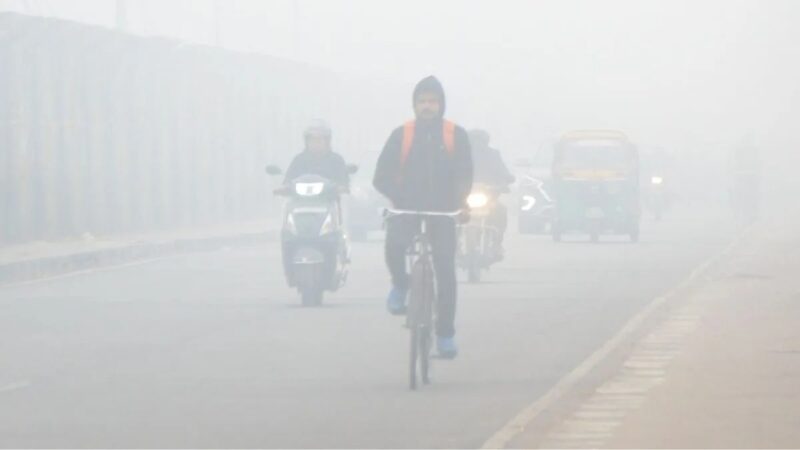
Bihar continues to reel under intense winter conditions as severe cold disrupts daily life. The biting chill has made outdoor movement increasingly difficult for residents across several districts. The Meteorological Department has issued a dangerous weather alert for the next three days. Authorities have warned that the cold wave situation may worsen further during this period.
The persistent cold has affected normal routines and increased health risks. Early mornings and late evenings have become especially harsh for people. The combination of icy winds and dense fog has added to the discomfort. According to weather officials, relief from the cold is unlikely in the immediate future.
Cold Wave Conditions Affect Daily Life
The impact of extreme cold is visible across both urban and rural areas. Schools, offices, and markets have witnessed reduced footfall. People are limiting travel unless absolutely necessary. Homeless populations and daily wage workers remain the most vulnerable during this harsh phase.
The weather department has warned of severe cold accompanied by shivering winds. The biting chill is expected to intensify, particularly during nighttime hours. Residents are advised to take precautionary measures and avoid unnecessary exposure.
Cold Day Alert Issued for Patna and Other Districts
A cold day alert has been issued for Patna along with thirteen other districts. The warning highlights the possibility of persistently low daytime temperatures. Dense fog is expected to cover several regions during morning hours. Visibility levels may drop significantly, affecting road and rail transport.
Patna experienced cold day conditions for the second consecutive day. Although light sunshine appeared briefly during the afternoon, the relief remained limited. The weak sunlight resulted in only a slight rise in daytime temperature.
On Sunday, the maximum temperature in Patna was recorded at 17.6 degrees Celsius. The minimum temperature dropped to 8.5 degrees Celsius. Despite the minor daytime improvement, cold winds continued to dominate the atmosphere.
Temperature Drops Recorded Across Bihar
A noticeable drop in minimum temperatures has been recorded across the state. On Saturday, temperatures fell by nearly three degrees in several districts. As a result, minimum temperatures in thirty-two districts dipped below ten degrees Celsius.
The falling mercury has intensified cold wave conditions. Weather officials stated that the drop in temperature is a key reason behind the prolonged cold spell. The presence of dense fog has further limited heat absorption during the day.
Most districts are expected to remain under cold day and fog alerts on Monday and Tuesday. The weather department has advised residents to stay alert and follow safety guidelines.
Orange Alert Issued in 31 Districts
An orange alert has been issued in thirty-one districts of Bihar. The alert warns of cold wave conditions and dense fog for the next forty-eight hours. Officials have indicated that temperatures may drop by another one to two degrees Celsius.
The cold wave is likely to persist despite signs of gradual weather improvement. Although skies may clear slightly during the day, cold conditions will continue. Morning and evening temperatures are expected to remain extremely low.
For the next ten days, fluctuating temperatures may trouble residents. Both maximum and minimum temperatures could vary by one to two degrees. The persistent chill is expected to keep people indoors during early and late hours.
Possibility of Rain After January 15
According to weather forecasts, there is a possibility of light rainfall after January 15. This rainfall may bring gradual relief from the intense cold. Meteorologists believe temperatures could start rising slowly after precipitation.
In the next forty-eight hours, maximum temperatures may increase by one to three degrees Celsius. Minimum temperatures could also see a similar rise within the next twenty-four hours. However, the cold wave impact will continue until stable weather conditions return.
Residents are advised not to lower their guard despite the forecasted rise. Sudden temperature changes can still pose health risks.
Western Disturbance Influencing Weather Patterns
Meteorological scientists have attributed the ongoing cold to an active western disturbance in North India. Continuous snowfall in Himalayan regions has intensified cold winds flowing into Bihar. These icy northwesterly winds have kept temperatures consistently low.
Dense fog and limited sunshine are preventing daytime warming. At night, cold winds further reduce temperatures. This combination has resulted in sustained cold day conditions across the state.
Experts have stated that the cold wave will not subside quickly. Atmospheric conditions remain unfavorable for a rapid temperature increase. The western disturbance continues to influence weather patterns over eastern India.
Advisory for Residents
Health experts recommend wearing adequate warm clothing and limiting outdoor exposure. Elderly individuals and children are advised to take extra precautions. Adequate hydration and warm meals are essential during this period.
Travelers are advised to remain cautious due to poor visibility caused by fog. Motorists should drive slowly and use fog lights when necessary. Rail and flight schedules may also face disruptions during early morning hours.
As Bihar battles one of its harshest cold spells this season, authorities continue to monitor the situation closely. Weather updates and alerts will remain crucial for public safety in the coming days.