
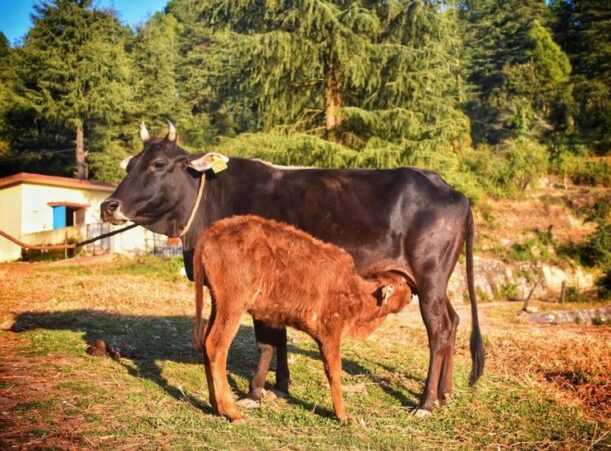
Bihar has posted impressive growth rates in the livestock sector, surpassing national averages in milk, egg, and meat production. The state has marked a significant breakthrough year for its livestock economy, demonstrating resilience and strength. The latest data from the Union Ministry of Animal Husbandry and Dairying highlights the state’s outstanding performance in 2024-25, reflecting its continuous efforts to strengthen the agricultural and animal husbandry sectors.
Exceptional Growth in Egg, Milk, and Meat Production
Bihar’s performance in the livestock sector has been nothing short of remarkable. The state leads the nation in the annual growth rate of egg production, which has increased by 9.99%. This growth is more than double the national average of 4.44%. In milk production, Bihar saw a 4.24% rise, securing the sixth position nationally. The national growth rate in milk production stands at 3.58%. Meanwhile, meat production in the state grew by 4.03%, placing Bihar ninth nationally, compared to the national growth rate of 2.46%.
These figures highlight Bihar’s exceptional progress in livestock-based production, solidifying its position as a key player in the country’s agricultural landscape. The state has achieved consistent growth in these sectors, marking a key milestone in its economic development.
Per Capita Availability Shows Positive Trends
The gains in livestock production are also reflected in the increased per capita availability of milk, eggs, and meat. Average daily milk availability in Bihar has risen from 277 grams per person in 2023-24 to 285 grams in 2024-25. The annual per capita availability of eggs has increased from 27 to 29, while meat availability has grown from 3.19 kilograms to 3.27 kilograms. These improvements in per capita availability are clear indicators of the state’s progress in meeting the nutritional needs of its population.
Transformative Impact of Government Programs
Dr. N Vijayalakshmi, the Additional Chief Secretary of the Animal and Fisheries Resources Department, highlighted that the state’s achievements were driven by targeted government programs and sustained investment. She described the growth in the livestock sector as a result of “exceptional progress” made through effective schemes aimed at improving production and livelihoods in rural areas.
Bihar’s livestock economy has benefited from the implementation of various government initiatives that focus on improving the productivity of dairy, poultry, and meat production. These programs have also helped boost rural incomes, create new employment opportunities, and enhance the overall economic conditions of farmers and livestock breeders in the state.
Bihar’s Fisheries Sector Achieves Self-Sufficiency
Bihar’s success in the livestock sector is not limited to milk, egg, and meat production. The state has also made remarkable strides in its fisheries sector. In 2013-14, Bihar ranked ninth in national fish production. However, in recent years, the state has moved up the ranks and now stands fourth nationally. Bihar has achieved self-sufficiency in fish production, further strengthening its position as a leader in agriculture and livestock-related industries.
Dr. Vijayalakshmi pointed out that the increasing productivity in the fisheries sector will continue to support rural incomes. The growth in fish production has created new opportunities for farmers, especially in rural regions, allowing them to diversify their sources of income and improve their livelihoods.
A Resilient Livestock Economy
The upward trend in Bihar’s livestock production is a testament to the resilience of its agricultural economy. Officials believe that the state’s continued focus on improving livestock productivity and the effectiveness of government schemes have been critical to its success. These initiatives have contributed to a thriving rural economy, providing farmers with greater economic stability and improved quality of life.
The state’s strong performance in livestock production also reflects the increasing potential of Bihar’s agricultural sector. As one of the fastest-growing economies in India, Bihar’s focus on agriculture, animal husbandry, and fisheries has made it a key contributor to the country’s overall economic growth. The state’s success in these sectors is not only boosting its rural economy but also positioning Bihar as a major player in the national agricultural landscape.
Looking Ahead: Sustainable Growth and Future Prospects
Bihar’s livestock sector has shown remarkable growth in recent years, and the state’s continued investment in agriculture and animal husbandry is expected to lead to even greater successes in the future. The government’s targeted programs and initiatives will continue to focus on improving the productivity of dairy, poultry, and meat production. With sustained efforts, Bihar is poised to further strengthen its position as a leader in the nation’s agricultural sector.
In the coming years, the state aims to maintain its growth trajectory by enhancing infrastructure, providing better support to livestock farmers, and expanding market access. The continued focus on sustainable development will ensure that Bihar’s livestock sector remains competitive and continues to contribute to the economic well-being of its population.
As Bihar continues to achieve exceptional growth in milk, egg, and meat production, the state’s livestock economy stands as a model for other regions in India. The success of Bihar’s livestock sector is a testament to the positive impact of government initiatives, strategic investments, and the hard work of farmers and livestock producers across the state.
Bihar’s livestock sector has achieved remarkable growth, surpassing national averages in milk, egg, and meat production. With a 9.99% rise in egg production, a 4.24% increase in milk production, and a 4.03% growth in meat production, the state has secured its position as a national leader in these sectors. The success of government programs and the transformative impact on rural livelihoods have played a significant role in this achievement. As Bihar continues to grow and expand its agricultural economy, its livestock sector will remain a key driver of the state’s economic progress.