
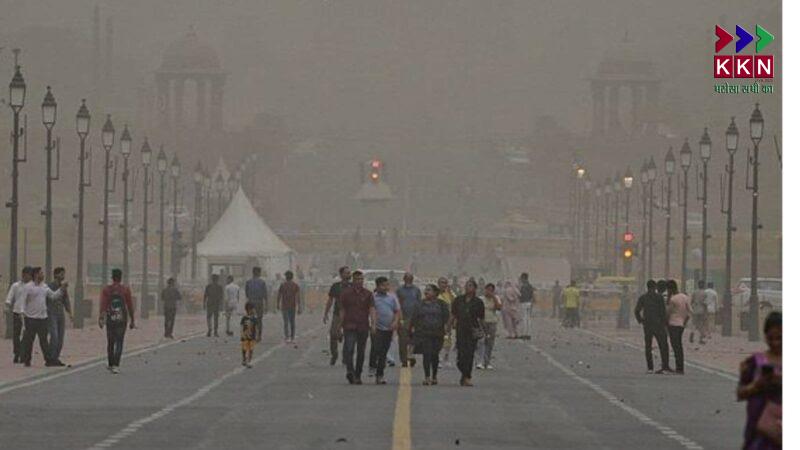
As winter intensifies across Delhi and its neighboring NCR regions, dense fog and a thick layer of haze have blanketed many areas today. This weather change has not only led to reduced visibility but has also had a significant impact on air quality. On Saturday, the Air Quality Index (AQI) in several parts of the capital surpassed the 400 mark, indicating a severe level of pollution. These conditions have raised concerns regarding public health and safety.
Air Quality Crisis: AQI Surpasses 400 in Delhi
The national capital’s air quality has deteriorated significantly with the onset of foggy weather. In several parts of Delhi, including key areas such as Indira Gandhi International Airport, the AQI crossed the 400 threshold, reaching hazardous levels. The worsening air quality has prompted authorities to issue advisories, warning travelers and residents about the impact of the poor visibility and toxic haze. The airport has particularly issued guidelines urging passengers to stay informed about their flight schedules due to the reduced visibility caused by fog.
Key Areas Affected by Fog and Poor Air Quality
The fog has been especially thick in areas around Kartavya Path and India Gate, where a light haze has persisted since the morning. In other regions, including Akshardham, Mayur Vihar Phase 1, and along the Delhi-Meerut Expressway, dense fog has caused significant reductions in visibility. These areas have been reported to have poor air quality, categorized as ‘very poor’ or ‘severe.’ The AQI in these regions has remained in the hazardous zone, which is a cause for concern.
Toxic Haze Engulfs Major Parts of Delhi
Images from various parts of Delhi, including AIIMS, Akshardham, Anand Vihar, Ghazipur, and ITO, show a thick toxic haze engulfing the city. The pollution levels in these areas have reached the ‘severe’ category, further exacerbating the health risks posed by the already deteriorating air quality. The Central Pollution Control Board (CPCB) has confirmed that the AQI in areas like Anand Vihar, ITO, and Akshardham has crossed the 400 mark, indicating a severe level of pollution.
AQI Levels Across Key Delhi Areas
According to the CPCB, the AQI in Anand Vihar has been recorded at 434, placing it in the ‘severe’ category. Similarly, the AQI in ITO has been measured at 417, while Akshardham’s AQI stands at 419. Ghazipur is also experiencing hazardous air quality, with an AQI of 435, categorized as ‘severe.’ Meanwhile, areas like Parliament Street and Dhaula Kuan are witnessing slightly better, yet still alarming, levels of pollution, with AQI readings of 356 and 376, respectively. These values place them in the ‘very poor’ category, indicating that the air quality is still hazardous for the general population.
Delhi Airport’s Advisory Amid Low Visibility
Due to the low visibility caused by fog, Delhi Airport has implemented low visibility procedures to ensure the safety of passengers. However, the airport authorities have reassured that all flight operations remain normal despite the foggy conditions. Travelers are advised to check updated flight information with their respective airlines to avoid any inconvenience or delays. The airport advisory urges passengers to remain alert and follow necessary guidelines, especially those flying during the early morning and evening hours when the fog is densest.
Efforts to Address Air Pollution in Delhi-NCR
With the continuing problem of poor air quality, the Delhi government has taken steps to address pollution levels in the region. One such measure includes the formation of a special committee by the Air Quality Management Commission. This committee, consisting of 14 members, will focus on reducing emissions from vehicles, a major source of pollution in the city. Vehicles are known to release harmful pollutants such as PM 2.5, nitrogen oxides, carbon monoxide, and volatile organic compounds, all of which contribute to the deteriorating air quality. The committee aims to formulate a comprehensive road map to reduce these emissions and improve air quality in the region.
Vehicle Emissions: A Leading Cause of Air Pollution
Vehicle emissions are one of the leading contributors to the air pollution crisis in Delhi-NCR. The harmful pollutants released from automobiles exacerbate the already challenging air quality, posing significant health risks to residents. The rising levels of particulate matter (PM 2.5) and other pollutants have raised concerns among environmentalists and health experts, who warn that long-term exposure to such hazardous air can lead to respiratory issues, heart disease, and other health complications. The newly formed committee will work towards finding effective solutions to curb emissions and mitigate the adverse impacts of vehicular pollution.
With winter deepening and fog continuing to affect visibility across the city, Delhi’s air quality remains a grave concern. The persistent haze and toxic pollutants pose serious health risks, especially to vulnerable populations such as children, the elderly, and those with pre-existing health conditions. Immediate and sustained action is required from both the government and citizens to reduce pollution levels. The measures being implemented, such as controlling vehicular emissions and improving overall air quality management, are critical steps towards ensuring a healthier and safer environment for all.
As residents of Delhi-NCR continue to battle these poor air conditions, it is essential to remain informed and take necessary precautions. Following government advisories, staying indoors when possible, and minimizing exposure to outdoor pollutants can help reduce the adverse effects of the hazardous air quality. With the situation growing more urgent, it is clear that both long-term and short-term strategies are needed to combat the worsening pollution in Delhi and restore the city’s air quality to safer levels.
Share this:
- Click to share on WhatsApp (Opens in new window) WhatsApp
- Click to share on Facebook (Opens in new window) Facebook
- Click to share on Threads (Opens in new window) Threads
- Click to share on Reddit (Opens in new window) Reddit
- Click to share on Telegram (Opens in new window) Telegram
- Click to share on X (Opens in new window) X
- Click to share on LinkedIn (Opens in new window) LinkedIn