

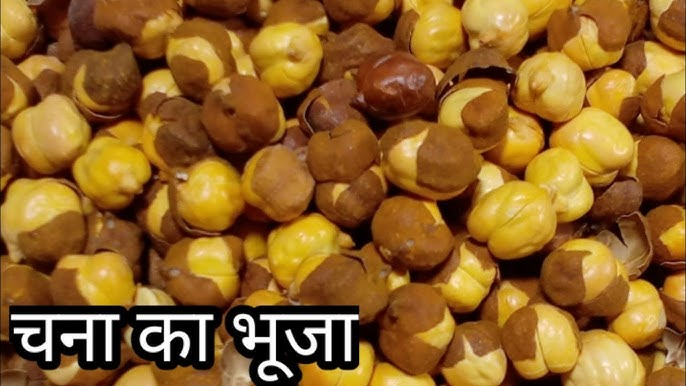
The market is witnessing an alarming rise in the use of harmful chemicals in food products. Recently, concerns have been raised regarding the presence of Auramine, a toxic synthetic dye, in roasted chickpeas. This revelation has sparked serious health concerns, particularly after Rajya Sabha MP Priyanka Chaturvedi raised the issue by writing a letter to the health minister. She expressed her deep concern about the use of this dangerous chemical in food and called for immediate action. According to research, Auramine is a carcinogenic substance, commonly used in textile and leather dyeing. The use of this chemical in food is not only a violation of food safety regulations but also a serious threat to public health.
Auramine has been identified as a harmful substance that can cause significant damage to internal organs such as the liver, kidneys, and bladder. The news of its contamination in roasted chickpeas has caused widespread alarm, prompting a response from both health experts and government officials.
What is Auramine?
Auramine is a synthetic dye, typically yellow in color, that is widely used in industries like textiles, leather production, paper manufacturing, and other industrial applications. This chemical is water-soluble and imparts a bright yellow color to products. However, it is also recognized as a carcinogen—a substance capable of causing cancer. The World Health Organization’s (WHO) International Agency for Research on Cancer (IARC) has classified Auramine as a possible carcinogen. Experts warn that using this chemical in food products is extremely dangerous and can lead to serious health issues.
Why is Auramine Being Added to Roasted Chickpeas?
The primary reason for adding Auramine to roasted chickpeas is to enhance their visual appeal. This chemical helps make the chickpeas appear more vibrant and golden, giving them a shiny, crisp look. The synthetic dye also makes the chickpeas appear more attractive to consumers, which in turn increases their sales. Additionally, the chemical is believed to slightly alter the size and texture of the chickpeas, making them look larger and crunchier. However, the harmful effects of consuming these artificially enhanced chickpeas are far more significant than the short-term visual appeal they offer.
The use of Auramine is a cost-effective method for manufacturers to boost the appearance of chickpeas, especially in a competitive market where consumers often make purchasing decisions based on how the product looks. This, however, compromises food safety and poses serious risks to health. Priyanka Chaturvedi, in her letter to the health and food processing ministers, highlighted that the addition of such hazardous chemicals violates food safety standards and directly threatens the health and safety of millions of Indians.
Health Risks Associated with Auramine Consumption
Consuming food products contaminated with Auramine poses a range of serious health risks. Health experts warn that prolonged exposure to this chemical can lead to liver, kidney, and bladder cancer. The long-term consumption of foods containing Auramine can cause the body to accumulate toxins, resulting in toxicity, organ damage, and the possibility of permanent or temporary damage to internal organs. The nervous system and other vital organs can also suffer from the harmful effects of this chemical. Studies indicate that regular consumption of food contaminated with toxic chemicals like Auramine can lead to multi-organ problems, further exacerbating health issues.
Furthermore, research suggests that this chemical has the potential to disrupt normal body functions and impair the overall immune system. People who consume contaminated food products over an extended period are at a significantly higher risk of developing life-threatening conditions due to the cumulative effects of this toxin.
Rising Concerns and Calls for Action
The widespread contamination of roasted chickpeas with Auramine has sparked a wave of concern, with social media platforms seeing numerous posts from individuals claiming to have encountered such contaminated products. Priyanka Chaturvedi, through her letter, called for a national health alert to be issued immediately, urging the government to conduct thorough investigations into the matter. She emphasized the need for stringent actions against those responsible for the illegal practice of adding harmful chemicals to food items.
The government has been urged to implement a nationwide crackdown on food adulteration and to ensure that the food sold to the public is safe and free from harmful substances. As this issue gains traction, the public is increasingly becoming aware of the hidden dangers in everyday food items that are often overlooked in the rush of modern life.
Steps to Avoid Contaminated Roasted Chickpeas
Consumers are urged to exercise caution when purchasing roasted chickpeas and other processed food items. It is essential to buy from reputable brands that follow food safety regulations and prioritize the health of their consumers. Choosing high-quality products from trusted sources will help reduce the risk of exposure to harmful chemicals. Furthermore, individuals should be vigilant about checking the ingredients and labels of food products before making a purchase to ensure that they do not contain any harmful additives or chemicals.
The use of Auramine in roasted chickpeas represents a dangerous trend in the food industry, where appearance is prioritized over safety. While the chemical may make the chickpeas look more attractive and crispy, the potential health risks are far too great to ignore. The contamination of food products with toxic chemicals like Auramine poses serious threats to public health and must be addressed urgently. It is imperative that the government take immediate action to investigate and stop the use of hazardous chemicals in food. Consumers must also remain cautious and only purchase food products from trusted sources to safeguard their health and well-being. This case highlights the importance of stringent food safety regulations and the need for greater consumer awareness regarding food adulteration.
Share this:
- Click to share on WhatsApp (Opens in new window) WhatsApp
- Click to share on Facebook (Opens in new window) Facebook
- Click to share on Threads (Opens in new window) Threads
- Click to share on Reddit (Opens in new window) Reddit
- Click to share on Telegram (Opens in new window) Telegram
- Click to share on X (Opens in new window) X
- Click to share on LinkedIn (Opens in new window) LinkedIn